by CCHR National Affairs Office | Sep 11, 2026
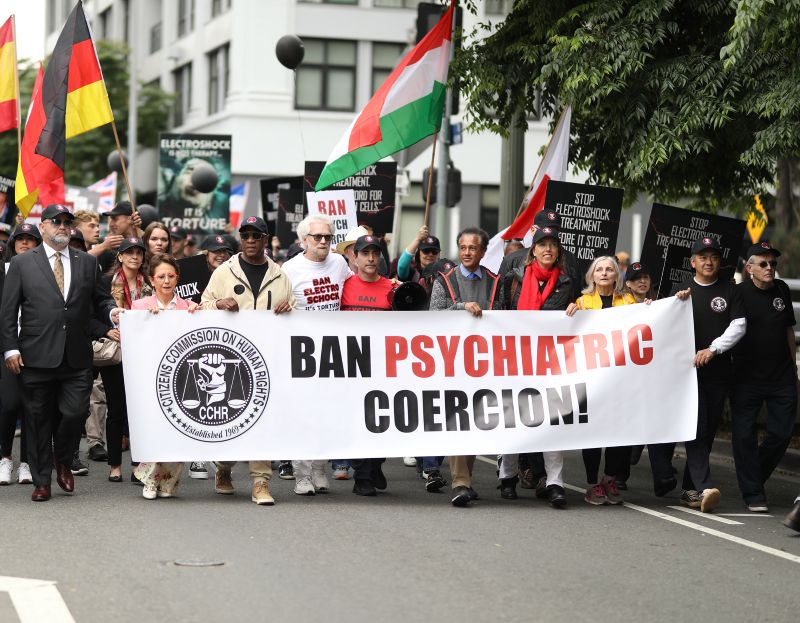
International mental health standards call for mental health services that are person-centered, recovery-oriented, and adhere to human rights standards. International mental health standards have been shifting in recent years away from involuntary mental health...

by CCHR National Affairs Office | Aug 20, 2026
Black Americans receiving mental health services are disproportionately diagnosed with disruptive, defiant and psychotic disorders, and are nearly twice as likely to be physically, mechanically, or chemically restrained in mental health facilities, restrained for a...

by CCHR National Affairs Office | Jun 23, 2026
Antidepressants, electroshock, so-called psychedelic-assisted psychotherapy, and even inpatient stays in psychiatric facilities carry far more risks for women, who are inadequately warned of the risks, research shows. The U.S. Department of Health and Human...
by CCHR National Affairs Office | May 27, 2026
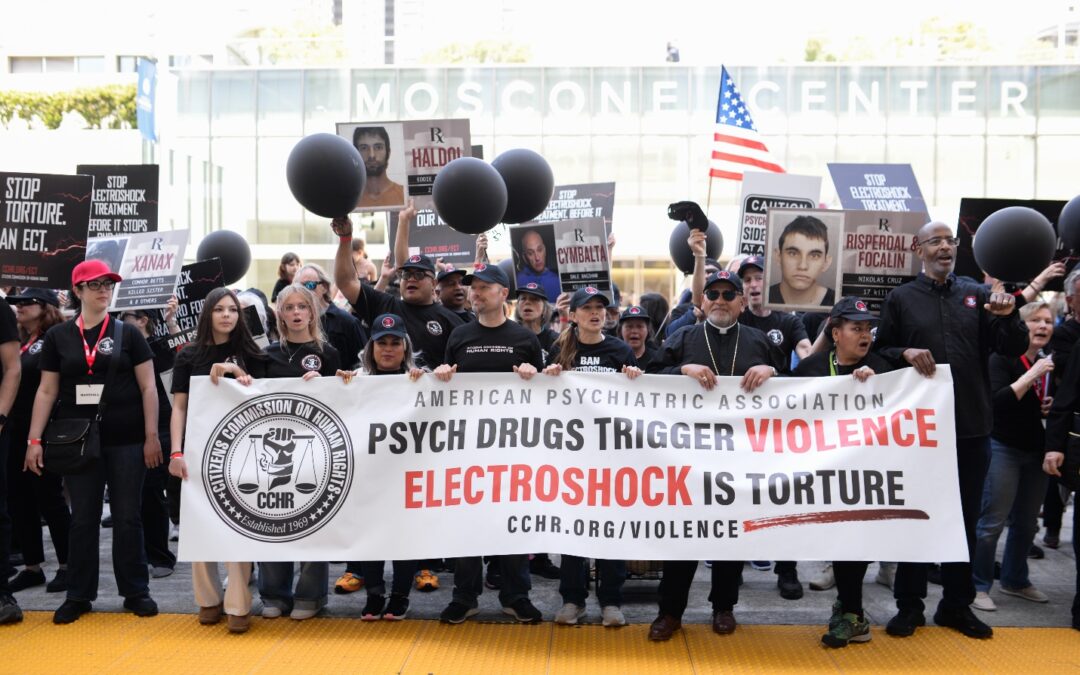
Protesters called on psychiatrists to eliminate electroshock and coercive psychiatric practices that include restraints, seclusion, and forced administration of psychiatric drugs, which have been linked to violence. Advocates of human rights in the mental health...

by CCHR National Affairs Office | May 20, 2026
A new study analyzing results of an online survey on electroconvulsive therapy finds that the memory loss and worsened quality of life reported by a large majority of recipients of the procedure were observed by family and friends of recipients as well. An...