
New study addresses the increasing number of students taking stimulant drugs without a prescription, hoping for enhanced cognitive performance, though recent research has not found improvement in cognitive ability or academic performance from using stimulants.
In response to the increasing misuse and diversion of stimulants prescribed for so-called attention-deficit/hyperactivity disorder (ADHD), a new study reports that a single dose of Adderall consumed for occasional or recreational use can have acute cardiovascular effects.
“An increasing number of high school and college students are taking Adderall without prescription, abusing these drugs for both cognitive enhancement and recreational use to enhance performance in tests and sports, respectively,” wrote researcher Anna Svatikova, M.D., Ph.D., of the Mayo Clinic in Rochester, Minnesota. “There are a myriad of adverse effects from Adderall consumption…. Sudden cardiac death, cardiomyopathy, stroke, and myocardial infarction due to Adderall consumption have been documented in individual case reports.”
The new study was designed to replicate the conditions of college students who use Adderall without a prescription. It assessed the results of giving 29 healthy young adults who were not stimulant users either a single 25 mg Adderall pill – less than half of the average 60 mg dose given to adult patients for “ADHD” but more than the typical 10 mg starting dose – or a placebo on the first day. Roughly 10 days later, they were given the other pill. Blood pressure and heart rate were measured before and three hours after administration of the drug or placebo.
The results three hours later were significant increases in blood pressure and heart rate in the participants given Adderall. Resting systolic blood pressure rose from 116 to 126, diastolic blood pressure from 72 to 78, and heart rate from 60 to 70 beats per minute – outcomes characterized by the researchers as “striking results” in participants at rest three hours later. No such increases occurred when participants were given placebos.
The higher measures could potentially increase the risk of more serious cardiovascular outcomes, as well as point to an explanation for the increased emergency room visits associated with the misuse of Adderall, the study suggests. The cardiovascular results could be even worse if energy drinks are consumed at the same time as Adderall to stay awake. The study was recently published in Mayo Clinic Proceedings, along with an editorial drawing attention to the study results.
The number of American children and adults given a diagnosis of so-called attention-deficit/hyperactivity disorder (ADHD) has soared over the six decades since psychologist Keith Connors, “the father of ADHD,” first coined the term for inattentive, impulsive or restless behavior. Since there is no exact scientific basis for a “diagnosis” of ADHD, determinations of this “psychiatric disorder” became rampant, leading Connors ultimately to declare that the overdiagnosis of ADHD was “an epidemic of tragic proportions.”
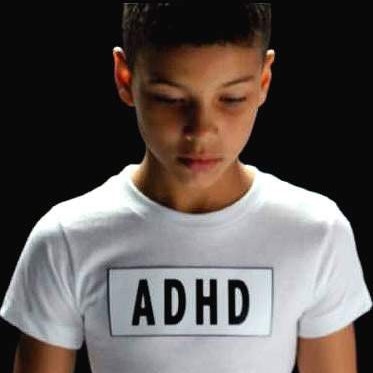
Currently, 1 in 9 American children (11.4%) under the age of 18 has received a “diagnosis” of ADHD, according to 2022 data from a national survey of parents. That translates to an estimated 7 million school-age children.
Rising right alongside the widespread “diagnosis” of ADHD is the steadily increasing number of prescriptions for drugs as treatment. Currently, 90% of prescriptions for ADHD treatment are for stimulants. Prescription stimulants include Adderall, Ritalin, Concerta, and Dexedrine.
The overdiagnosis of ADHD and surge in prescriptions of stimulants is the result of sophisticated, multi-decade marketing by drug manufacturers, which broadened the perception of ADHD to include relatively normal behavior like carelessness or impatience, according to a 2013 investigation by the New York Times.
“The rise of ADHD diagnoses and prescriptions for stimulants over the years coincided with a remarkably successful two-decade campaign by pharmaceutical companies to publicize the syndrome and promote the pills to doctors, educators and parents,” Times reporter Alan Schwarz wrote.
Stimulants prescriptions continue to rise. From 2012 to 2023, the total number of Americans prescribed stimulants increased by 48%, from 11.1 million to 16.5 million, with the largest yearly increase (18%) in 2022-23, according to a report prepared for the U.S. Drug Enforcement Administration (DEA). For the first time, nurse practitioners were the top prescribers, followed by psychiatrists.
The DEA report reveals that adults are now the fastest-growing segment of stimulant prescriptions, as “diagnosis” of “adult ADHD” becomes more prevalent.
“From 2012 to 2023, stimulant prescriptions for patients aged 31-40 increased by 240%; at over 18 million, they are now the largest single age group for stimulants prescriptions,” the DEA’s report discloses. Prescriptions also increased by 164% for patients aged 41-50, by 161% for ages 61-70, and by 516% for ages 71-80. The only decline was a 19% decrease in stimulant prescriptions for children aged 0-10.
Stimulants are classified as Schedule II controlled substances, in the same category as cocaine, methamphetamine (meth), oxycodone (OxyContin), and fentanyl because of their high potential for misuse, abuse, physical and psychological dependence, addiction, overdose, and diversion.
The illegal diversion of prescribed stimulant drugs from patients to others, particularly among children and young adults, is a pressing problem. Studies have found that a range of 16% to 29% of students from grade school through college were asked to give or sell their prescribed stimulants.
Whether taking a stimulant really leads to any cognitive advantage is questionable. Recent studies have found no improvement in cognitive ability or academic performance and no convincing evidence of any long-term benefit to children from taking stimulant drugs.
In response to the misuse and overdose problems with prescription stimulants, the FDA awarded a grant to the National Academies of Sciences, Engineering and Medicine in 2023 to research and reconsider the diagnosis and treatment of ADHD. The research is expected to be used in developing alternatives to prescription stimulants as treatment.
The content on this site is for informational purposes only and is not intended to substitute for personal medical advice given by a physician or other qualified healthcare provider.
Anyone wishing to discontinue or change the dose of a prescription stimulant or other psychiatric drug is cautioned to do so only under the supervision of a physician because of potentially dangerous withdrawal symptoms or other complications.